
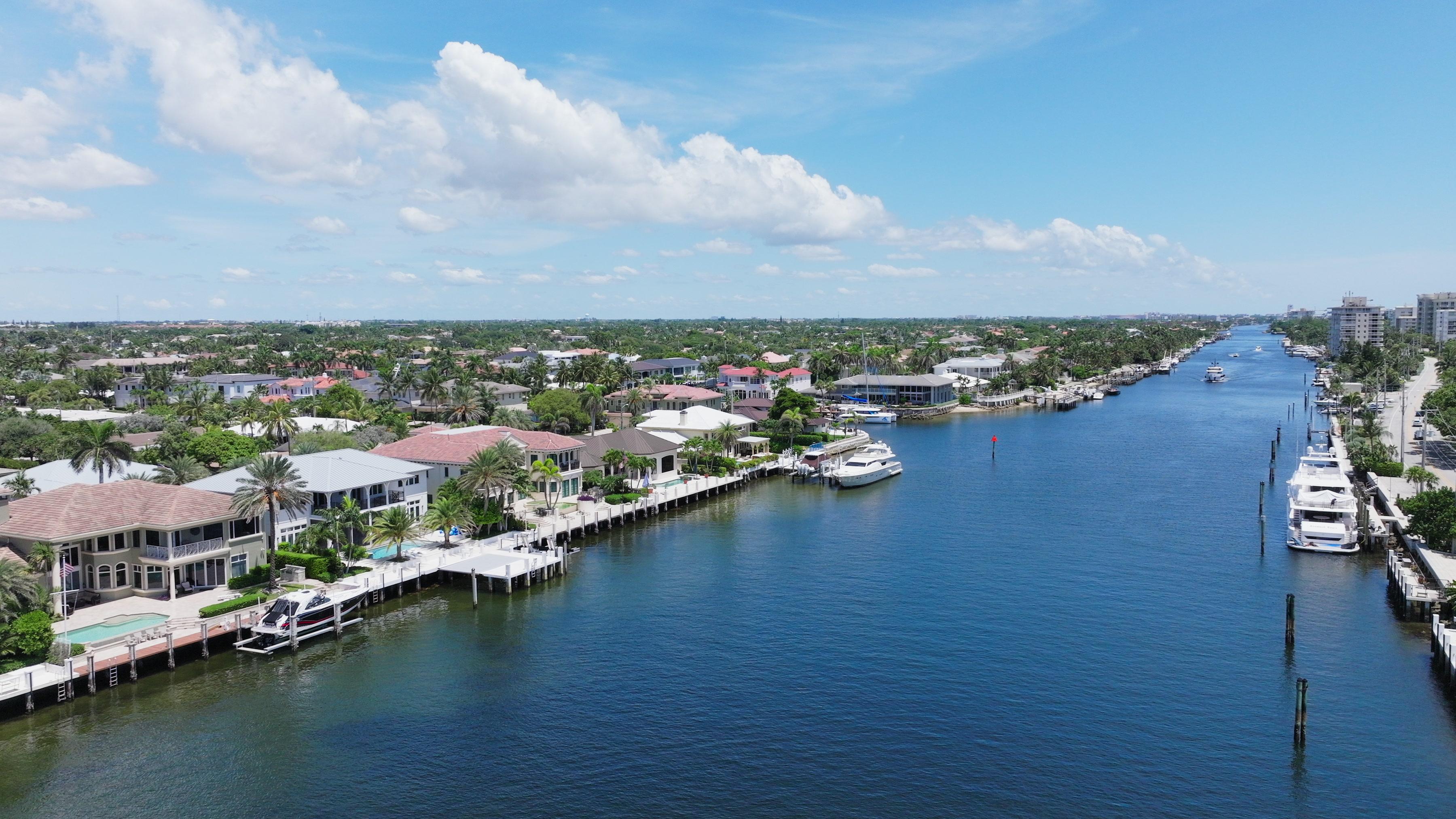
There is something special about waking up to the sound of the Atlantic Ocean, watching boats cruise along the Intracoastal Waterway, or enjoying an evening sunset from your own waterfront patio. For many buyers, owning a coastal home in Florida isn't simply a real estate purchase. It's a lifestyle decision.
Along the coast of Volusia County and Flagler County, buyers can choose from oceanfront condominiums, waterfront homes, boating communities, golf-course residences and quiet neighborhoods just minutes from the beach.
But while the view may capture your attention, there are several other considerations that deserve a closer look before you purchase a coastal property.
Whether you're relocating, purchasing a second home or planning a change in lifestyle, here's what I recommend considering before making your next move.
1. Understand the Differences Between Coastal Communities
One of the advantages of living along Florida's Atlantic coast is the variety of communities available.
In Ponce Inlet, buyers can explore oceanfront condominiums, waterfront residences and properties that offer access to boating and fishing.
Daytona Beach offers a mix of beachfront condominiums, single-family homes and properties near the area's entertainment, dining and recreational attractions.
In Port Orange, buyers will find established residential neighborhoods, waterfront opportunities and convenient access to shopping and everyday amenities.
Farther north, Ormond Beach offers everything from beachside homes to golf communities and larger residential properties. Meanwhile, Palm Coast and the surrounding Flagler County area provide additional choices, including coastal neighborhoods and properties along canals and waterways.
Each community offers a different combination of location, amenities, property types and lifestyle.
Before beginning your search, think about what matters most. Is it walking to the beach? Keeping a boat nearby? Having a golf course in your community? Or enjoying a quiet neighborhood with convenient access to the coast?
Defining those priorities can make your search much more productive.
2. Look Beyond the Purchase Price
The asking price is only one part of the financial picture.
Coastal properties can involve additional ownership expenses, including insurance, maintenance, association fees and repairs related to exposure to salt air and moisture.
Before purchasing, request insurance quotes and investigate the property's likely ongoing expenses. For condominiums, review association fees, budgets, reserve information, assessments and applicable building inspection documentation.
For single-family homes, pay particular attention to the roof, windows, exterior finishes, HVAC equipment and any other systems exposed to coastal conditions.
Understanding these expenses before making an offer helps you evaluate the property's overall affordability rather than focusing exclusively on the purchase price.
3. Investigate Flood Exposure and Storm Protection
Florida's coastal setting is beautiful, but it requires thoughtful property evaluation.
Before purchasing, check the property's flood-zone designation, review available elevation information and obtain appropriate insurance guidance. A flood-zone designation is an important consideration, but it doesn't tell the entire story about a property's individual flood risk.
Ask about the home's storm-protection features, including impact-rated windows, shutters, roof condition and other relevant improvements.
It is also worth investigating drainage around the property and whether the location has a documented history of flooding.
For buyers considering oceanfront condominiums, the condition of the building, its storm-protection measures and its maintenance history deserve careful attention.
The goal isn't to eliminate every possible risk. It's to understand the property well enough to make an informed decision.
4. Consider How You Will Use the Water
For boating enthusiasts, not all waterfront properties offer the same experience.
A home overlooking the Intracoastal Waterway may offer a very different boating lifestyle from a property on a canal or a home near the ocean.
If you plan to keep a boat at your property, investigate the available dock facilities, water depth, bridge clearances, navigational access and applicable permitting requirements.
Ask whether the dock or lift is included in the sale and whether it is in suitable condition for your intended use.
For properties without private dockage, investigate nearby marinas and boat-launch facilities.
These details are particularly important in communities such as Ponce Inlet, where boating and access to the surrounding waterways can be an important part of the appeal.
A beautiful waterfront view is one thing. Convenient access to the water for your particular boating needs is another.
5. Understand What the Local Market Is Telling You
Current market data can help buyers establish realistic expectations.
According to Realtor.com, September 2026 median listing prices were approximately $264,500 in Daytona Beach, $349,000 in Port Orange and $399,900 in Ormond Beach. Realtor
Those figures provide a broad snapshot of the markets, but they shouldn't be used to estimate the value of an individual coastal property.
Oceanfront condominiums, Intracoastal waterfront homes, inland residences and luxury properties can have very different pricing characteristics.
Ponce Inlet also illustrates why property-specific research matters. Its August 2026 median listing price was approximately $615,875, with a median of 122 days on the market. Realtor
For buyers, this information provides context when comparing communities. For sellers, it reinforces the importance of understanding how a particular property compares with its direct competition.
A well-informed decision starts with recent comparable sales, current listings and an understanding of the features that distinguish one property from another.
6. Think About Everyday Convenience
When buyers fall in love with a coastal home, it's easy to focus on the beach, the view and the outdoor living spaces.
But everyday convenience matters, too.
Consider your usual shopping trips, access to healthcare, favorite restaurants, recreational activities and travel requirements.
If you plan to spend extended periods at the property, think about how the location will work throughout the year rather than just during vacation.
For buyers who enjoy boating, fishing, kayaking or scuba diving, proximity to suitable facilities may be especially important.
A property that supports the way you actually want to live can be more rewarding than one that simply looks impressive in photographs.
7. Work With Someone Who Understands the Local Market
Coastal real estate can be highly specific.
Two properties with similar square footage may differ significantly because of their location, water access, views, building condition, insurance considerations or community amenities.
That's why local experience is so valuable.
At the Matacale Group, we help buyers and sellers evaluate properties in the communities we know, from Daytona Beach and Port Orange to Ponce Inlet, Ormond Beach and the surrounding coastal areas.
Our approach is to look beyond the listing photographs and asking price to understand the property's characteristics, its competition and how it fits your goals.
Whether you're searching for a waterfront home, a beachside condominium or a residence in a golf community, having the right information can help you move forward with greater confidence.
Finding Your Place Along Florida's Coast
Living along Florida's Atlantic coast offers a remarkable variety of opportunities, from mornings on the beach to afternoons on the water and evenings spent enjoying the outdoors.
But the right property is about more than a beautiful view. It's about finding a home that fits your lifestyle, your budget and your long-term plans.
If you're considering buying or selling coastal property in East Central Florida, I'd welcome the opportunity to help you explore your options and better understand the local market.
Your next chapter along Florida's coast should begin with the right property—and the right information.
Check out this article next